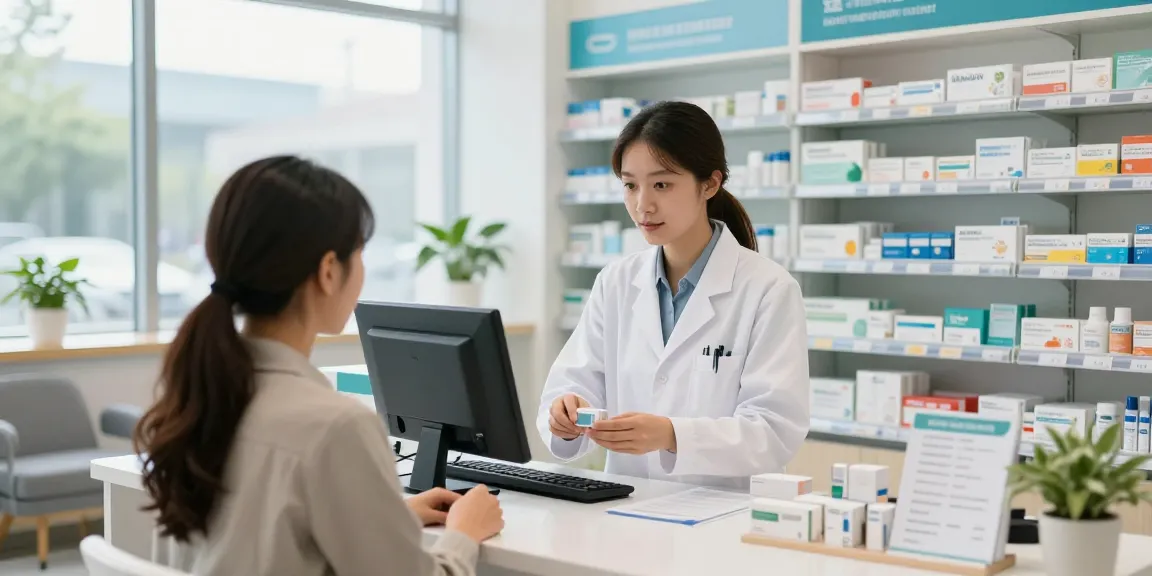
Understanding the Role of Medical Stores
In modern healthcare, Medical stores play an indispensable role. They serve as a bridge between healthcare providers and patients, facilitating access to necessary medical products and services. As the healthcare landscape continues to evolve, understanding the crucial functions of medical stores is essential for both consumers and industry stakeholders.
What Are Medical Stores?
Medical stores, also referred to as medical supply stores or medical retail outlets, are establishments that specialize in selling medical products and equipment. These stores typically offer a wide range of items, including over-the-counter medications, prescription drugs, surgical supplies, mobility aids, and personal protective equipment. Unlike pharmacies, which primarily focus on dispensing prescriptions, medical stores cater to a broader audience, encompassing both consumers and healthcare professionals.
Key Services Offered by Medical Stores
Medical stores provide various essential services to ensure customers have access to the right medical products. Some key services include:
- Medication Dispensing: While not primarily pharmacies, many medical stores dispense medications, including prescription and over-the-counter drugs.
- Health Consultations: Many medical stores employ trained staff who can offer advice on health products, helping customers choose the right items for their needs.
- Equipment Rentals: Medical stores often rent out durable medical equipment such as walkers, wheelchairs, and hospital beds.
- Delivery Services: Some medical stores provide home delivery options for medications and equipment, ensuring convenience for patients with mobility issues.
Differences Between Medical Stores and Pharmacies
While medical stores and pharmacies may appear similar at first glance, several key differences set them apart. Medical stores offer a broader array of products, often selling medical supplies that pharmacies do not stock. Additionally, the focus of a pharmacy is primarily on medication management and patient care, whereas medical stores may also emphasize equipment sales and health consultations.
Current Trends in Medical Stores
The landscape of medical stores is rapidly changing, influenced by technological advancements, evolving consumer expectations, and broader healthcare trends. Understanding these trends is crucial for stakeholders aiming to prepare for the future.
Digital Transformation in Medical Stores
Many medical stores are embracing digital technologies to enhance their services. This includes implementing e-commerce platforms that allow customers to purchase products online, providing detailed product information, and leveraging mobile apps for easy access. Digital transformation not only improves customer convenience but also optimizes inventory management and streamlines operations.
Consumer Behavior Trends in 2026
As we move towards 2026, consumer behavior is shifting significantly. Patients increasingly prefer personalized shopping experiences and the convenience of online access. This change compels medical stores to enhance their customer engagement strategies by utilizing data analytics and artificial intelligence to understand purchasing patterns and preferences.
Impact of Telehealth on Medical Stores
Telehealth has revolutionized the healthcare industry, and medical stores are no exception. With the rise of virtual consultations, patients can now receive prescriptions directly from healthcare providers during online visits, which can then be filled at medical stores. This integration promotes a seamless healthcare experience and drives foot traffic as patients seek to purchase their prescribed items immediately.
Challenges Facing Medical Stores
While the opportunities in the medical store sector are abundant, several challenges must be navigated to ensure success in this competitive marketplace.
Regulatory Compliance Issues
Medical stores must adhere to various regulations concerning the sale of medications and medical supplies. Staying compliant can be challenging, especially as regulations evolve. This necessitates continuous education and training for staff to ensure they are up to date with the latest regulatory requirements.
Competition from Online Pharmacies
The proliferation of online pharmacies presents a significant challenge to traditional medical stores. Customers are increasingly drawn to the convenience and often lower prices offered by online retailers. Medical stores must find ways to differentiate themselves, such as offering exceptional customer service or specialized products that cannot be found online.
Supply Chain Management Concerns
Supply chain disruptions can pose serious challenges to medical stores. Whether due to global crises, such as pandemics, or local supply issues, maintaining a reliable supply of products is crucial. Successful medical stores prioritize robust inventory management systems and develop strong relationships with suppliers to mitigate these risks.
Best Practices for Medical Store Operations
To thrive in the evolving landscape, medical stores should adopt best practices that enhance efficiency and customer satisfaction.
Enhancing Customer Experience
Creating a positive customer experience is vital for retaining clientele. Medical stores can enhance the customer journey by training staff to be knowledgeable and approachable, providing an organized layout for easy navigation, and ensuring prompt service. Additionally, soliciting feedback can help identify areas for improvement.
Effective Inventory Management Techniques
Implementing effective inventory management techniques can prevent stockouts and overstock situations. Techniques such as Just-in-Time (JIT) inventory, demand forecasting, and utilizing automated inventory management systems can help maintain optimal stock levels.
Utilizing Technology for Better Efficiency
Leveraging technology can significantly improve operational efficiency. From point-of-sale systems to inventory management software, technology can streamline processes and reduce human error. Investing in employee training on new technologies is equally important to maximize their benefits.
Future of Medical Stores: Looking Ahead to 2026
The future of medical stores is set to be shaped by innovation, consumer expectations, and market dynamics. As we look forward to 2026, several key trends and opportunities will define the success of these establishments.
Innovative Services to Expect in Medical Stores
In the coming years, medical stores are likely to expand their service offerings, including more comprehensive health management programs that integrate wellness services, personalized health screenings, and nutrition counseling. Such services will position medical stores not just as retail outlets but as integral components of community healthcare.
Predicted Market Growth and Opportunities
Market analysis indicates substantial growth potential within the medical store sector, driven by technological advancements and an aging population. Businesses that adapt to these changes and invest in innovative solutions will find new revenue streams and increased market share.
Adapting to Patient-Centric Approaches
As healthcare trends continue to lean towards patient-centric models, medical stores must adapt by placing patients’ needs at the forefront. This can be achieved by offering personalized products, improving service delivery, and actively engaging with the community to understand their health priorities.
What are the main benefits of shopping at medical stores?
Shopping at medical stores provides numerous benefits, including access to a wide range of medical supplies, knowledgeable staff who can provide guidance, and the convenience of obtaining both prescription and over-the-counter medications in one location.
How do medical stores differ from traditional pharmacies?
Medical stores differentiate from traditional pharmacies by offering a broader array of medical supplies and equipment. While pharmacies focus primarily on medication dispensing and patient health services, medical stores cater to a larger audience, including healthcare professionals and individual consumers looking for specific medical products.
What technological advancements are influencing medical stores?
Technological advancements such as e-commerce platforms, inventory management systems, and telehealth integration are significantly influencing medical stores. These innovations enhance operational efficiency, improve customer service, and provide a more seamless shopping experience.
Can medical stores offer telehealth services?
Yes, many medical stores can offer telehealth services, especially in partnership with local healthcare providers. These services enable patients to engage in virtual consultations, receive prescriptions, and obtain necessary medical supplies directly from the store, streamlining their healthcare experience.
What trends are shaping the future of medical stores?
Several trends are shaping the future of medical stores, including the digital transformation of retail, increasing consumer demand for personalized services, the rise of telehealth, and a focus on health and wellness. Adapting to these trends is crucial for medical stores aiming to thrive in the coming years.