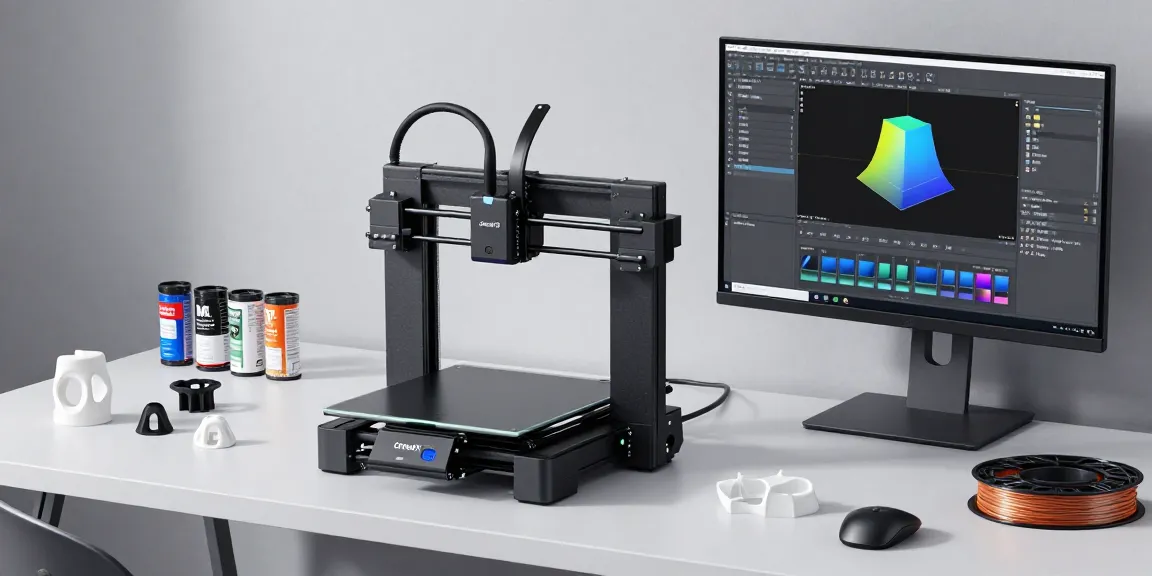
1. Understanding the Creality 3D Printer Ecosystem
The evolution of 3D printing technology has paved the way for a diverse ecosystem of machines tailored to meet a variety of needs. Among the notable players in this field is Creality, a brand that has garnered significant attention for its innovative 3D printers, including the K2 Combo. The creality 3d printer lineup boasts features that appeal to both hobbyists and professionals alike, driving the accessibility and creativity in additive manufacturing.
1.1 Key Features of the Creality K2 Combo 3D Printer
The Creality K2 Combo 3D printer is packed with features designed to enhance user experience and product performance. One of its standout attributes is the dual extrusion capability, enabling the printing of complex designs with different materials simultaneously. Furthermore, the K2 Combo features an upgraded build volume, which significantly expands the possibilities for larger prototypes and models.
- High-Resolution Printing: Achieves layer resolutions as fine as 0.1 mm, resulting in smooth, detailed prints.
- Advanced Bed Leveling: The printer comes equipped with automatic bed leveling technology, which enhances print adhesion and reduces the risk of common printing issues.
- Filament Compatibility: Supports a wide range of filament types including PLA, ABS, and PETG, allowing users to experiment with diverse printing materials.
1.2 Comparing Models: K2, K1C, and More
Creality offers an array of 3D printers that cater to various skill levels and applications. The K2 model stands out as a comprehensive choice for those looking for flagship performance with advanced features, while the K1C serves as an economical option focusing on entry-level users. Each model has its specific advantages:
- K2 Combo: Ideal for users seeking high-quality prints with advanced features.
- K1C 2025: Best for entry-level users who want an affordable yet capable machine.
- K2 Pro: Offers the best price-to-performance ratio, making it a favorite among budget-conscious professionals.
1.3 The Importance of Filament Choice in 3D Printing
Filament selection plays a crucial role in determining print quality and material properties. The K2 Combo printer’s capability to use various filaments means users can tailor their projects to meet specific mechanical and aesthetic requirements. Understanding the properties of different materials—such as strength, flexibility, and finish—is essential for optimizing the printing experience.
2. Software and Design Integration for 3D Printing
3D printing is not solely about the hardware; the software and design aspects are equally critical for successful outcomes. Utilizing the right software tools can significantly enhance the printing process and the final output quality. This integration involves elements such as modeling software, APIs for printer control, and CI/CD processes for iterative design.
2.1 Best Practices in 3D Modeling Software
When using 3D modeling software, it is essential to familiarize yourself with techniques that facilitate efficient and accurate modeling. Software like Blender and Autodesk Fusion 360 offer advanced features that, when utilized correctly, can lead to optimized 3D models.
- Start with Simple Shapes: Build complex models from basic geometric shapes to ensure a strong foundation.
- Keep Dimensions Consistent: Ensure that dimensions are consistent with your printer’s specifications to avoid scaling issues.
- Utilize Support Structures: Use software features to add supports where necessary, improving print efficacy and reducing failures.
2.2 API Design for 3D Printing Applications
Incorporating APIs into the 3D printing workflow allows for improved automation and integration with other applications. Designing robust APIs can enable control over printer settings remotely, effectively allowing users to streamline their printing processes. Techniques for successful API development include:
- RESTful APIs: Ideal for creating predictable and easy-to-use interfaces in 3D printing.
- Webhook Integrations: Facilitate real-time communication between software applications and 3D printers.
- Data Handling: Efficiently manage and store print job data for easy retrieval and analysis.
2.3 Implementing CI/CD in 3D Design Processes
Continuous Integration (CI) and Continuous Deployment (CD) methodologies improve efficiency within 3D design processes. By automating testing and deployment processes, teams can ensure their designs are always optimized and ready for print. Key practices include:
- Version Control: Use version control systems for tracking changes in design files.
- Automated Testing: Develop scripts to automatically verify that designs meet predefined quality standards before printing.
- Deployment Pipelines: Create pipelines that streamline moving designs from idea to physical prototype seamlessly.
3. Enhancing Output: Performance Optimization Strategies
Optimizing performance is crucial for maximizing the capabilities of your 3D printer. Various strategies can lead to significant improvements in print quality, efficiency, and reliability.
3.1 Techniques for Optimizing Print Quality
Achieving high-quality prints requires attention to detail in each phase of the printing process. Here are techniques that can be employed:
- Print Speed Adjustment: Experiment with different speeds to find the best balance between speed and quality.
- Temperature Calibration: Properly calibrating the nozzle and bed temperatures for your filament can prevent common issues like warping.
- Layer Height Settings: Adjusting layer height can help in achieving smoother finishes or faster prints depending on project needs.
3.2 Scalability in 3D Printing Operations
As demand for 3D printed materials grows, scaling operations is essential. By investing in more advanced printers or utilizing multiple machines, businesses can meet increasing production requirements. Strategies include:
- Batch Printing: Schedule multiple jobs that can be printed in succession to optimize machine use.
- Networked Printers: Use cloud solutions to manage multiple printers efficiently, allowing for remote job management.
3.3 Troubleshooting Common 3D Printing Issues
Every 3D printer user encounters challenges. Knowing how to troubleshoot common problems will enhance your printing experience:
- Under-extrusion: Ensure the filament is properly loaded and the nozzle is clean.
- Layer Separation: Adjust the temperature settings and print speed for better adhesion between layers.
- Bed Adhesion Issues: Experiment with different adhesive solutions such as glue sticks or specialized sprays.
4. Cloud Computing and 3D Printing Solutions
Cloud computing is revolutionizing how 3D printing operations are managed. The ability to store, manage, and analyze vast amounts of design data on cloud platforms significantly enhances the capabilities of 3D printers.
4.1 Utilizing Cloud Platforms for 3D Printing Management
Adopting cloud-based tools can streamline operations and contribute to the overall efficiency of your 3D printing processes. Leading cloud platforms provide functionalities such as:
- Data Storage: Safely store and access design files from anywhere.
- Collaboration Tools: Enable teams to work on designs in real-time, regardless of location.
4.2 The Role of AI in 3D Manufacturing Processes
Artificial Intelligence (AI) can enhance print quality prediction, automate post-processing tasks, and optimize material usage. Implementing AI systems can lead to:
- Predictive Maintenance: AI can forecast when printers need servicing, reducing downtime.
- Automated Quality Control: Intelligent systems can monitor prints to detect and correct anomalies in real-time.
4.3 Future Trends in Cloud-Based 3D Printing
The integration of advanced technologies is shaping the future of 3D printing. Trends to watch include:
- Blockchain for Data Security: Using blockchain technology to ensure the integrity of 3D printing data.
- Edge Computing: Bringing processing closer to the point of use will enhance responsiveness in print operations.
5. Community and Support in the 3D Printing Space
Being part of the 3D printing community can significantly benefit both novices and seasoned professionals. The shared knowledge, resources, and experiences help propel innovation and problem-solving.
5.1 Leveraging Open-Source Resources for Creality Printers
The open-source nature of many 3D printing technologies allows users to benefit from community-driven improvements and shared resources. By leveraging open-source software and designs, users can:
- Modify Designs: Tweak open-source designs for better performance on Creality printers.
- Access Learning Materials: Utilize a wealth of tutorials and guides available through various platforms.
5.2 Building a Network of 3D Printing Enthusiasts
Networking with other 3D printing enthusiasts can foster collaboration and innovation. Consider joining forums and attending meetups or workshops to share experiences and troubleshoot challenges together.
5.3 Feedback and Reviews: Shaping Future Products
Customer feedback is invaluable for driving improvements in 3D printing technology. Engaging with product reviews and participating in surveys can help manufacturers understand user needs and enhance their offerings accordingly.
FAQs
What are the benefits of using a Creality 3D printer?
Creality 3D printers provide high-quality prints, versatility in filament types, and robust community support, making them an excellent choice for both beginners and advanced users.
How do I choose the right filament for my 3D printer?
Select filament based on your project requirements, focusing on properties such as strength, flexibility, and temperature resistance, while ensuring compatibility with your printer.
What maintenance practices should I follow for optimal performance?
Regular maintenance includes cleaning the nozzle, calibrating the bed level, and ensuring that the software and firmware are updated to optimize printer functionality.