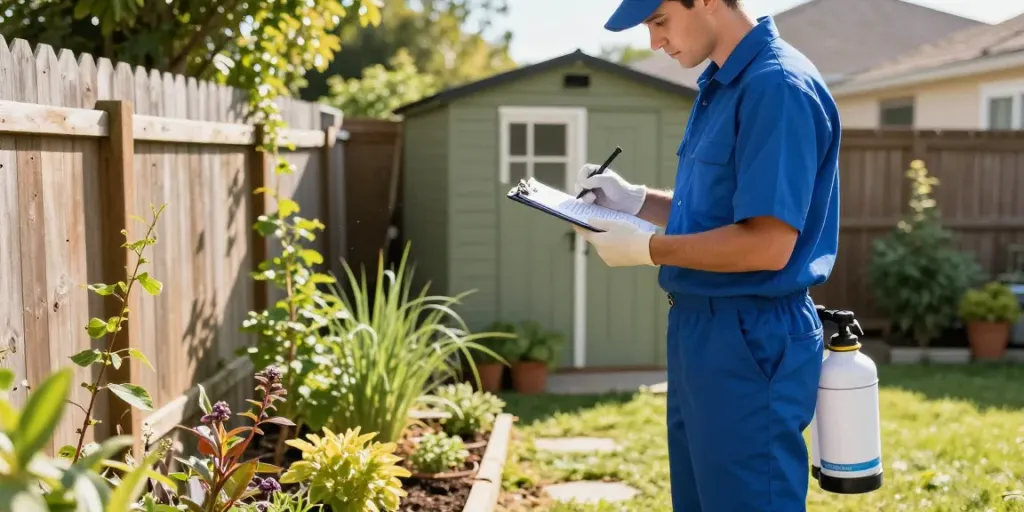
Understanding the Basics of Pest Control
Pest control is an essential service that addresses the management of various pests that can invade homes and businesses. With the rise in urbanization and changing environmental conditions, pest issues have become increasingly common. Understanding pest control encompasses knowing what pests are, the challenges they pose, and the importance of preventive measures. When exploring options, Pest control strategies can help mitigate the risks associated with these unwelcome guests.
What Is Pest Control?
Pest control refers to the regulation or management of species defined as pests, which include insects, rodents, and other unwanted organisms that can harm human health or the environment. This process involves various techniques ranging from manual removal to chemical treatments and environmental management, ensuring both immediate relief and long-term solutions to pest issues.
Common Pest Types Affecting Homes
Several pests frequently invade residential spaces, including:
- Rodents: Mice and rats are known carriers of diseases and can cause significant property damage.
- Insects: Ants, cockroaches, termites, and bed bugs are common nuisances that can multiply rapidly if not controlled.
- Wildlife: Squirrels, raccoons, and birds can invade attics and gardens, creating messes and potential hazards.
The Importance of Regular Inspections
Regular inspections are crucial in pest control as they help identify potential problems before they escalate. Engaging a professional service can ensure that your home remains pest-free by discovering hidden infestations and addressing them promptly. Early detection can save homeowners from costly repairs and health risks associated with pest-related issues.
Identifying Pest Problems
Signs of Infestation in Your Home
Recognizing the signs of a pest infestation is vital for swift action. Common indicators include:
- Visible droppings or urine stains.
- Gnawed materials (wood, wires, or furniture).
- Damaged plants or food sources.
- Noisy activities, particularly at night.
Common Misconceptions About Pests
Many homeowners hold misconceptions about pests, such as:
- “A clean home is immune to pests.”
- “If I don’t see them, they aren’t there.”
- “Pest control is only necessary in spring and summer.”
Understanding these myths can encourage more proactive pest management strategies throughout the year.
How to Conduct a Visual Pest Inspection
A visual inspection can be conducted by homeowners or pest control professionals. Key areas to check include:
- Basements and crawl spaces for moisture and entry points.
- Kitchen and pantry areas for food sources.
- Bathrooms for signs of rodents or insects.
- Exterior walls for cracks and openings.
Effective Pest Control Methods
Integrated Pest Management Strategies
Integrated pest management (IPM) combines several strategies to control pest populations effectively. This includes:
- Biological control (introducing natural predators).
- Cultural practices (modifying environments to deter pests).
- Mechanical controls (traps and barriers).
- Chemical control (using pesticides responsibly).
Eco-Friendly Pest Control Solutions
With increasing awareness about environmental impact, many homeowners are seeking eco-friendly pest control solutions. Options include:
- Using natural repellents derived from plants.
- Employing beneficial insects to combat pest populations.
- Implementing habitat manipulation to reduce pest attractiveness.
When to Call Professional Pest Control Services
Professional pest control services should be engaged in the following circumstances:
- Severe infestations that are hard to manage on your own.
- Identifying the type of pest for effective treatment.
- Implementing long-term prevention strategies.
Cost Factors in Pest Control Services
Understanding Pest Control Pricing Structures
The cost of pest control varies depending on several factors:
- The type of pest being addressed.
- The extent of the infestation.
- The methods and products used for control.
- The geographical location and service provider.
Hidden Costs to Be Aware Of
Homeowners should be wary of potential hidden costs, such as:
- Follow-up visits if the infestation is not eradicated.
- Replacement of damaged property due to pests.
- Costs associated with preventative measures.
Budgeting for Preventative Measures
Budgeting for pest control can help maintain a pest-free environment. Homeowners should allocate funds for:
- Regular inspections.
- Preventative treatments, especially during peak seasons.
- Home modifications to reduce attracting pests.
Future Trends in Pest Control (2026 and Beyond)
Technological Innovations in Pest Management
The future of pest control is likely to be shaped significantly by technological advancements, including:
- Smart traps that use IoT technology to monitor pest activity.
- Drone monitoring for large properties.
- Data analytics for predictive pest management.
The Role of Sustainability in Pest Control
As environmental concerns grow, sustainability will become a vital aspect of pest control. This includes:
- Emphasizing non-toxic materials.
- Implementing organic control methods.
- Promoting habitat conservation to deter pests naturally.
Regulatory Changes and Their Impact on Services
Regulatory changes can influence pest control practices by imposing stricter guidelines on pesticide use and encouraging organic options. Staying informed about these changes will help both service providers and consumers make better decisions regarding pest management.
What are the signs of a pest infestation?
Signs of pest infestation include seeing droppings, damage to property, or noticing unusual smells coming from hidden areas.
How do pest control treatments work?
Pest control treatments work by applying various methods and products to eliminate or deter pests, often requiring a combination for effectiveness.
Are eco-friendly pest control methods effective?
Yes, eco-friendly pest control methods can be effective when used correctly and may provide sustainable long-term solutions without harming the environment.
How often should I schedule pest control services?
Regular pest control services should be scheduled at least once a year, with more frequent visits recommended for high-risk periods or existing infestations.
What should I expect during a pest inspection?
During a pest inspection, the technician will evaluate your property for signs of pests, identify entry points, and suggest a course of action based on their findings.